The Anatomy of Traction Alopecia in Dreadlock Wearers
In many urban salons, clients are conditioned to believe the old saying: 'Beauty is pain.' If an appointment hurts, it must mean the style is neat and will last longer. At Detroit House of Locs, we categorically reject this myth. Pain is the biological nervous system screaming that cellular tissue damage is taking place.
- Every hair strand is anchored in the scalp by the hair bulb, surrounded by an intricate network of microscopic blood capillaries and sensory nerve fibers.
- When an interlocking tool is pulled flush against the periosteum (the dense membrane covering the skull), the hair follicle is physically pulled upward within its sheath.
- This mechanical shear cuts off capillary blood flow, triggers intense local inflammation, and produces tiny pus-filled bumps called tension folliculitis.
- If this trauma is repeated every six weeks, the follicle eventually forms fibrotic scar tissue and dies permanently.
Perimeter Vulnerability
The temporal hairline and nape are anatomically the most fragile zones on the human head. Hair follicles here have shallower root depths and can tolerate only a fraction of the tension that crown follicles can withstand.
| Physical Sign | Healthy Loctician Maintenance | Dangerous Over-Tension / Traumatic |
|---|---|---|
| Scalp Sensation Post-Visit | Refreshed, lightweight, zero pain | Throbbing, stinging, tenderness, headache |
| Facial Mobility | Full normal facial expressions without strain | Skin feels stretched; painful to raise eyebrows |
| Scalp Visual Appearance | Normal skin color along parts | Redness, inflamed white follicular tension bumps |
| Sleep Comfort Night 1 | Sleeps comfortably in any position | Cannot rest head on pillow without intense pain |
| Long-Term Follicle Health | Dense, thick hair growth over decades | Receding hairline, widening parts, traction alopecia |
How Master Locticians Interlock Without Pain
Interlocking does not require pain to be neat, long-lasting, and structurally flawless.
- The Calibrated 1/8-Inch Cushion: Our locticians always halt the tool rotation when there is still 1/8th inch of free space above the scalp. The loc should lay flat and flexible immediately.
- Appropriate Tool Gauge Selection: Using a tool that is too thick for a small parting base rips hairs along the perimeter of the base. We calibrate tool gauge to parting diameter.
- Alternating Rotation Vectors: We strictly adhere to the 4-point rotation system (12, 6, 3, 9 o'clock), preventing directional torque that pulls unevenly on one side of the follicle.
The Zero-Tolerance Pain Standard
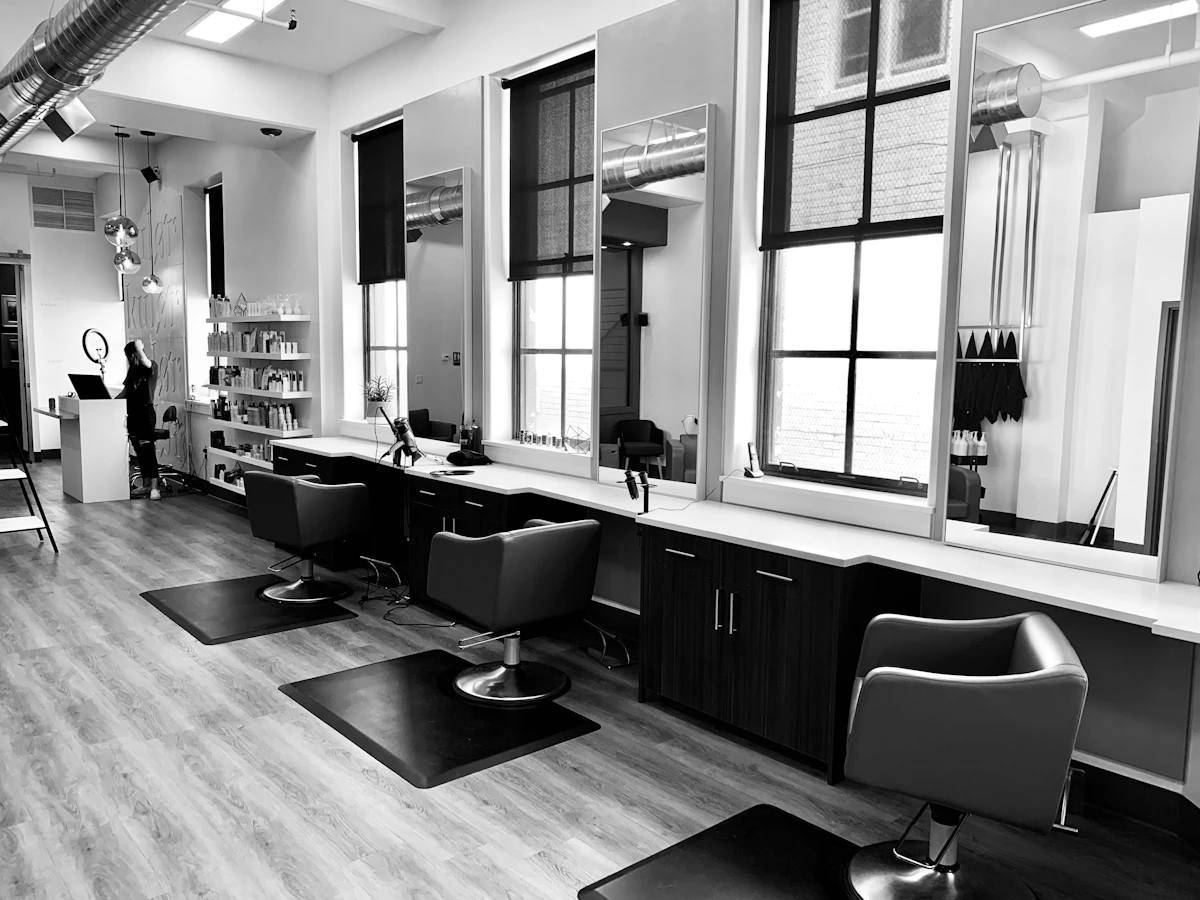
In our studio at 15322 Grand River Ave, our clients regularly fall asleep in the chair during interlocking sessions. That is the hallmark of true artisan mastery.

Emergency Protocol: What to Do If You Leave a Salon in Pain
If you visited a stylist who over-tightened your hair and you are suffering at home, take immediate action to protect your follicles.
- Step 1: Cool Botanical Steam: Step into a warm shower and allow steam to soften the hair cuticles. Apply a damp, cool towel infused with pure chamomile or lavender water to your scalp.
- Step 2: Relieve the Tension Knots: If specific locs along your hairline are pulling skin taut, take a smooth, dull tapestry needle and gently nudge the last rotation knot outward by 1 millimeter to create slack.
- Step 3: Anti-Inflammatory Scalp Massage: Dab pure aloe vera inner-leaf gel onto tension bumps. Avoid heavy greases that trap heat.
- Step 4: Switch Stylists: If a stylist refuses to respect your tension limits or tells you to 'just take Tylenol,' find a loctician who prioritizes your health.
Traction Recovery Consultations
We offer specialized traction recovery assessments at Detroit House of Locs. We examine your hairline under magnification and design a rehabilitative care plan to restore dormant follicles.


